
"acetic acid"
400 article(s) found

Baking basic science, browning reaction non-enzymatic browning
Following Cafe Review (official Wechat account vdailycom) found that non-enzymatic browning of Beautiful Cafe opening a small shop of its own is different from enzymatic browning. Non-enzymatic browning reactions do not require enzymes, but their reactions require heat, sugars and amino acids. There are two non-enzymatic browning reactions related to coffee roasting: caramelization (caramelization recation) and Maillard reaction.

The unique flavor of coffee is related to the growing environment. Air humidity and soil quality will affect the acidity of coffee.
For more information on coffee beans, please pay attention to the relationship between soil quality, humidity and organic acids (including citric acid, malic acid, acetic acid, fatty acid, chlorogenic acid) and inorganic acid (phosphoric acid) in coffee beans in the coffee workshop (Wechat official account cafe_style). The main results are as follows: (1) the volcanic rock producing area is easy to produce good coffee with good mellow and sour taste. The cup tester also found that come on.

Coffee beans Red wine processing Flavor description Processing characteristics Origin introduction
Coffee beans red wine processing method flavor description processing characteristics origin introduction selected coffee cherries are placed by farmers uncle in a specific container, this container should be similar to red wine fermentation plug, or a single vent valve device. In this way, carbon dioxide can escape through the device to control the concentration of air in the container. At this time, the coffee cherries in the container entered

Hartman Manor in Panama single bean processing method Flavor description planting information
Exchange of professional baristas follow the Coffee Workshop (Wechat official account cafe_style) red wine treatment, also known as controlled fermentation, or lactic acid / acetic acid fermentation experimental team led by American Felipe Sardi, made up of biological scientists and ecologists who apply technologies such as solar energy to the cultivation and processing of raw beans. A special manual picking team has been trained

Which estates use red wine to treat coffee beans?-what is the flavor and taste
Which estates use red wine to treat coffee beans-how does it taste? according to Sasa's description in the competition, the handlers inject carbon dioxide into the container to prevent oxidation from producing volatile acid, a process known as lactic acid fermentation, which produces malic acid and lithic acid, which is relatively stable, so the beans fermented by lactic acid have a more mellow acidity.

What is the difference of coffee flavor between aerobic fermentation and anaerobic fermentation
The red wine treatment, also known as controlled fermentation, or lactic acid / acetic acid fermentation, is led by Felipe Sardi, an American, and is made up of biological scientists and ecologists. Acetic acid fermentation aerobic fermentation (cleaner

Colombia Coffee Bean Producing Area Colombia Coffee Bean Recommended Colombia Coffee Bean Acid
Professional coffee knowledge exchange More coffee bean information Please pay attention to coffee workshop (Weixin Official Accounts cafe_style) PIENDAMO area decaffeinated coffee We filled a series of washed Colombia people with cups and finally decided to use this coffee for decaffeination process, using water-natural ethyl acetate method. This includes the use of fresh spring water and locally fermented gansu
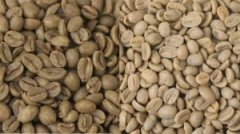
The origin and formation of the sour taste of roasted coffee
Raw coffee beans contain sour ingredients such as citric acid, malic acid, quinic acid and phosphoric acid, but these are not the main sources of sour taste when drinking coffee. The acid produced during baking is the main source of sour taste. Raw beans produce a series of chemical reactions during baking to form new acids. The most important thing is that chlorogenic acid is decomposed to form quinic acid and oligosaccharides.

What is the processing method of Hartman Coffee and Bean Wine? description of Information Manor Flavor
Exchange of professional baristas follow the Coffee Workshop (Wechat official account cafe_style) red wine treatment, also known as controlled fermentation, or lactic acid / acetic acid fermentation experimental team led by American Felipe Sardi, made up of biological scientists and ecologists who apply technologies such as solar energy to the cultivation and processing of raw beans. A special manual picking team has been trained

Hartmann red wine treatment
Its inspiration comes from the brewing technology of red wine. The selected coffee cherries are placed in a specific container with a device similar to a red wine fermentation suppository or a single exhaust valve. In this way, carbon dioxide can be spilled through the device to control the concentration of air in the container. At this time, the coffee cherries in the container are fermented by acetic acid, which is the opposite.

Why does coffee taste sour? How do you know if the sour taste in coffee beans is good or bad?
Professional coffee knowledge exchange More coffee bean information, please pay attention to coffee workshop (Weixin Official Accounts cafe_style) More fine coffee beans, please add private WeChat Qianjie coffee, micro signal: qjcoffeex Some small partners think that the sour taste in coffee is negative taste, coffee is not good/fresh

What is the principle of aerobic fermentation and anaerobic fermentation of coffee beans? What is the fermentation of coffee bean red wine?
Professional coffee knowledge exchange more coffee bean information please pay attention to the coffee workshop (Wechat official account cafe_style) the principle of aerobic and anaerobic fermentation of coffee beans? What is the principle of coffee bean red wine treatment and fermentation? Aerobic fermentation makes the yeast produce more gas and the ratio of bread to bread is high, but the anaerobic fermentation should be properly controlled to make the product full of flavor (transformed during anoxic fermentation.
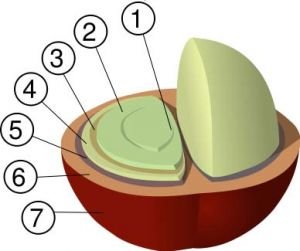
From the composition and composition of coffee beans to talk about the acidity of coffee to understand the structural growth substances of coffee beans
Caffeic acid [Chinese name] caffeic acid [English name] Caffeic acid [composition classification] Organic acids and phenolic coffee acidity may be the most incorrect and most misunderstood term used to evaluate the taste of coffee. This is a quantitative term that refers to the relative strength of the acidic components in the liquid being evaluated. Although the terms of coffee are sour and descriptive

Why does the coffee taste a little sour?
The sour ingredients in raw coffee beans are citric acid, malic acid and quinic acid. Phosphoric acid, etc., but this is not the sour taste we feel when we drink coffee. The sour taste we taste mainly comes from the acid produced in the baking process. When roasting coffee beans, some of the ingredients in the beans will react to form new acids. A representative example is the epigenetic decomposition of chlorogenic acid.

Why is coffee so sour? how does coffee get sour?
Professional barista communication Please pay attention to the coffee workshop (Wechat official account cafe_style) Coffee raw beans contain citric acid, malic acid, quinic acid. Phosphoric acid, etc., but this is not the sour taste we feel when we drink coffee. The sour taste we taste mainly comes from the acid produced in the baking process. When roasting coffee beans, some of the ingredients in the beans will melt.
Behind the origin of the sour taste of coffee and the sour taste of coffee is a very complicated problem.
Raw coffee beans contain sour ingredients such as citric acid, malic acid, quinic acid and phosphoric acid, but these are not the main sources of sour taste when drinking coffee. The acid produced during baking is the main source of sour taste. Raw beans produce a series of chemical reactions during baking to form new acids. The most important thing is that chlorogenic acid is decomposed to form quinic acid and oligosaccharides.

What is red coffee processing?
What is red coffee processing? In 2015, WBC contestant Sasa brought to the world a Colombia coffee bean treated in a process similar to red wine brewing. In addition to the novelty of the taste of the bean, the "red wine treatment method" adopted to treat the bean also made Xiao Bian and many coffee lovers curious. What exactly is the so-called "red wine treatment"?

Why does the coffee taste a little sour? Acid from the baking process
The sour ingredients in raw coffee beans are citric acid, malic acid and quinic acid. Phosphoric acid, etc., but this is not the sour taste we feel when we drink coffee. The sour taste we taste mainly comes from the acid produced in the baking process. When roasting coffee beans, some of the ingredients in the beans will react to form new acids. A representative example is the epigenetic decomposition of chlorogenic acid.

Coffee beans Red Wine treatment-what are the lightly baked coffee beans
Red wine treatment of coffee beans-which light-roasted coffee beans selected coffee cherries are placed in specific containers by farmers (beans used by Australian baristas in Sasa competitions are placed in metal containers). But in any case, the container should have a device similar to a red wine fermentation suppository or a single exhaust valve. In this way, carbon dioxide can pass through this

Red Wine treatment Coffee Bean treatment washing and Solar introduction of manors in producing areas
Introduction to the treatment of coffee red honey Sasa was described in the competition: the coffee fruit was put into a sealed metal container for anaerobic fermentation, and the variable factors such as PH value and the type and number of bacteria involved in the fermentation were controlled purposefully. The processor injects carbon dioxide into the container to prevent